Preventive health programmes don’t fail at screening. They fail at follow-up.
Health camps find the risk. What happens in the weeks after decides whether anyone is actually healthier. A practical look at closing the follow-up gap.
By Lead Lumer Innovation Lab · · 4 min read
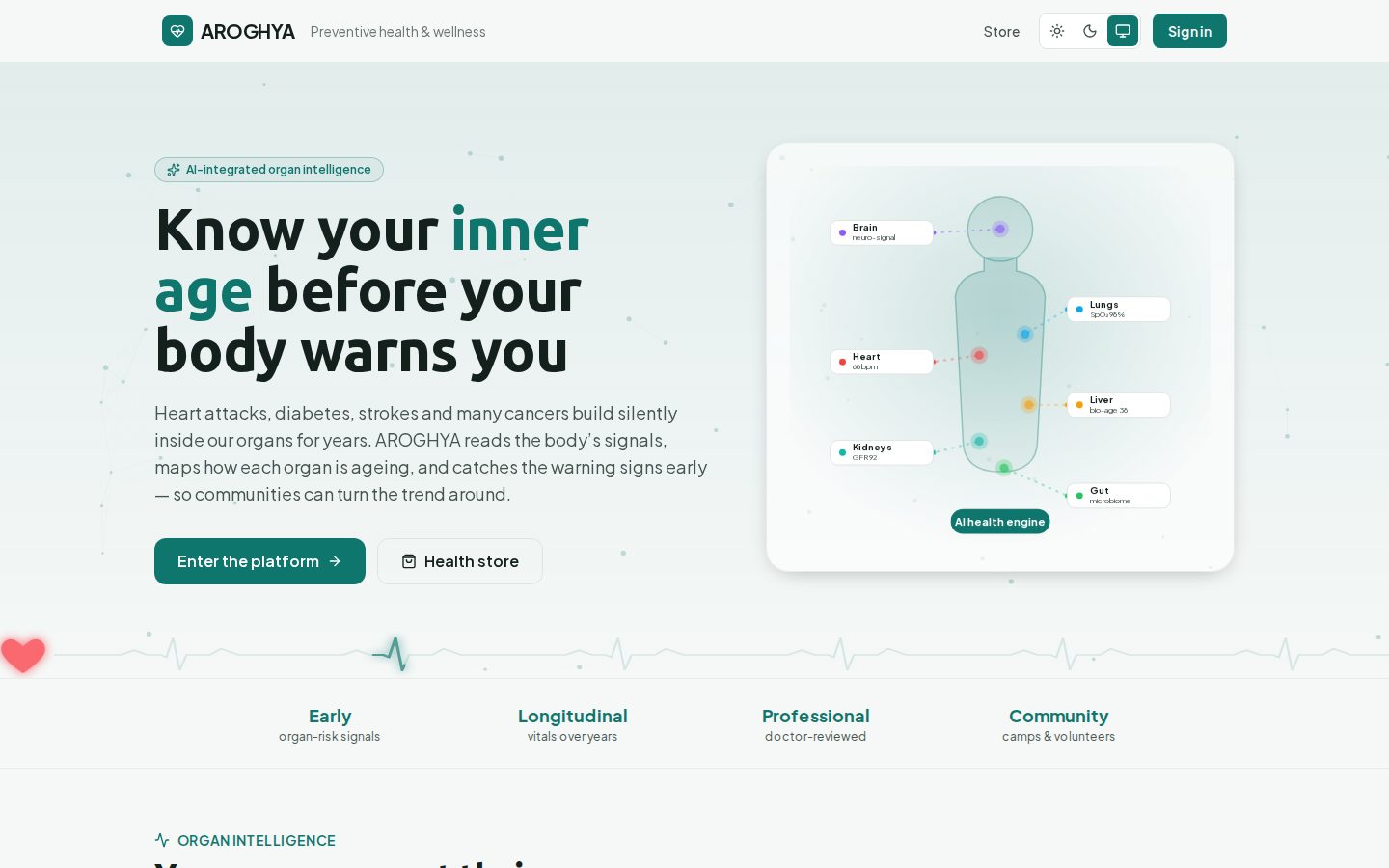
Community health camps are good at one thing: finding people at risk. Blood pressure is checked, sugar is tested, forms are filled. Everyone leaves feeling useful.
Then the forms go into a box.
The World Health Organization describes non-communicable diseases — heart disease, diabetes, chronic respiratory illness and cancer — as the leading causes of death worldwide, and stresses detection, screening and treatment as key parts of the response. Screening without follow-up is only half of that sentence.
Why follow-up breaks down
The data is not where the volunteers are. Readings are written on paper at the camp and typed in days later, if at all. By then, the urgency has passed.
Nobody owns the next step. When a participant's blood pressure is high, who calls them next week? If the answer is "the team", the answer is nobody.
A snapshot is mistaken for a diagnosis. One high reading may mean nothing; three rising readings over two months mean a lot. Without a trend, doctors cannot tell the difference.
Volunteers burn out. Asking a volunteer to "follow up with the list" — hundreds of names — guarantees that the most important calls get lost among the routine ones.
What a working follow-up system looks like
- Capture once, at the camp. Vitals go straight into the participant's record at the station, without a second round of typing.
- Allocate people, not lists. Each participant is assigned to a volunteer based on how many people that volunteer can realistically support.
- Escalate by rule. Readings outside agreed limits are flagged to a doctor for review automatically, rather than waiting for someone to notice.
- Give volunteers today’s list. A short daily list of who to call, with one tap to phone or message, beats any master spreadsheet.
- Watch the trend. Every new reading adds to a timeline, so the doctor sees direction, not just a number.
Measure what matters
Count follow-ups completed, not camps held. A programme that screens a thousand people and follows up with fifty has mostly produced paperwork. A programme that screens three hundred and follows up with all of them is changing lives.
The camp finds the risk. The follow-up is the programme.
If your organisation runs wellness or screening programmes, look at the four weeks after your next camp. That is where the real work — and the real impact — lives.
References
- Noncommunicable diseases — Fact sheet — World Health Organization